(Read This Before You Decide to Stay)
Staying in a painful marriage feels noble.
But what if that sacrifice is quietly hurting the very children you’re trying to protect?
Every year, millions of parents whisper the same sentence like a badge of honor:
“I’m staying for the kids.”
It sounds loving. Responsible. Selfless.
Yet research, therapists, and—most importantly—grown children say something very different.
Let’s talk honestly about why staying for the kids backfires in the long run, and why love sometimes means letting go.
Why Staying for the Kids Backfires in the Long Run: The Core Truth
The uncomfortable reality?
Children don’t need together parents.
They need healthy parents.
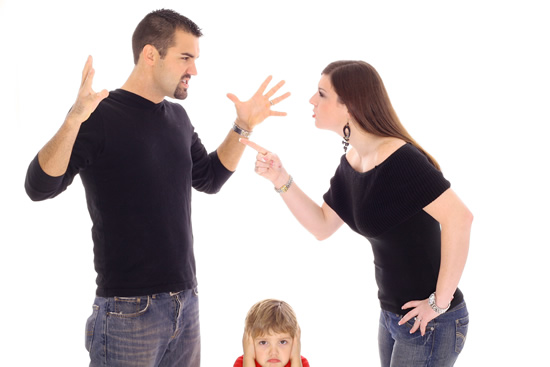
When a home is filled with resentment, emotional distance, or silent hostility, kids don’t feel “safe.” They feel confused, anxious, and often responsible.
According to developmental psychologists, children are emotional sponges. They absorb tone, tension, and unspoken grief—even when words are never said.
A widely cited overview from child psychology experts explains that chronic marital conflict is far more damaging than separation itself. The American Psychological Association highlights this clearly when discussing how high-conflict marriages affect child development (source context explained via healthy child development studies).
In short:
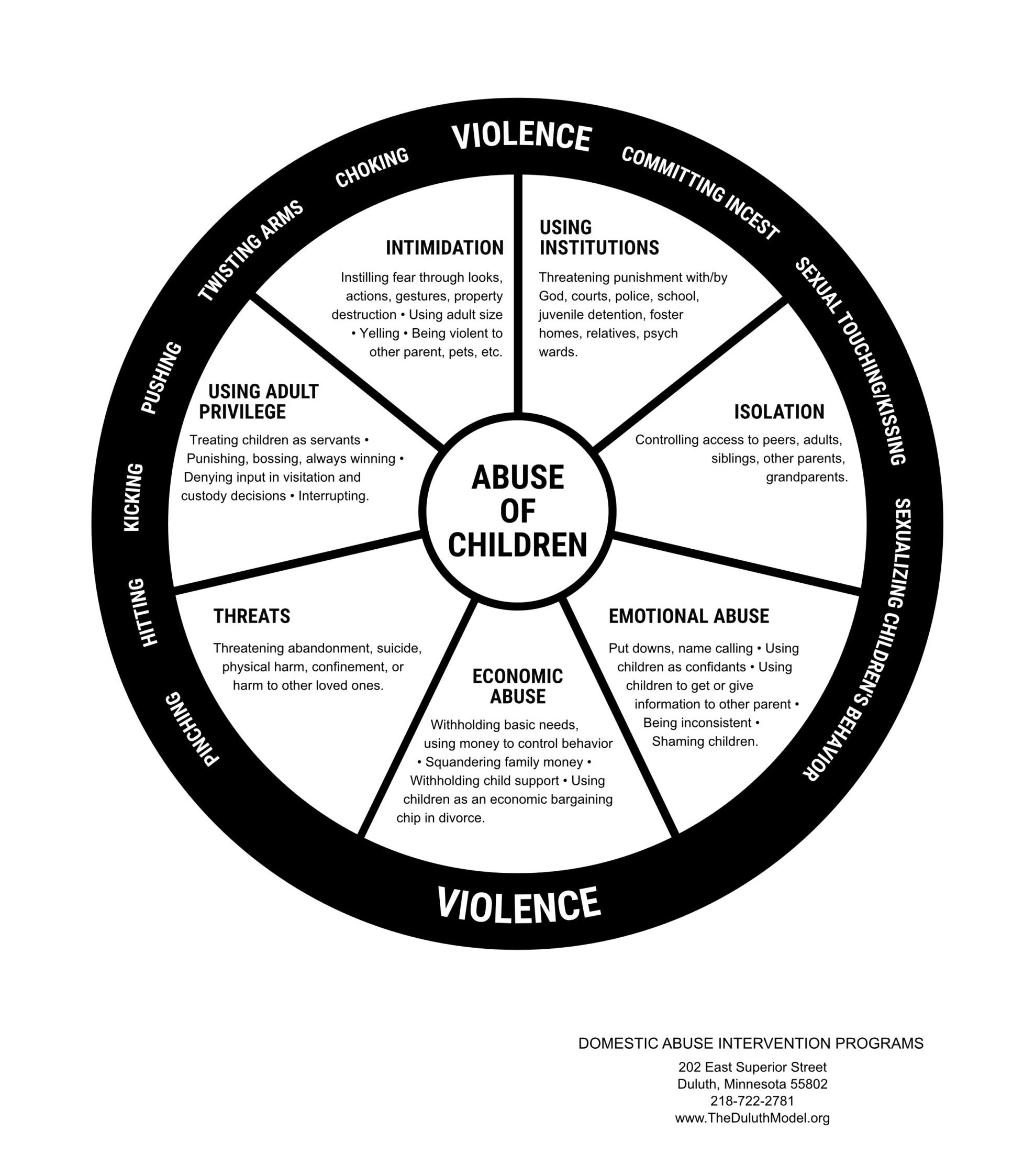
Staying together at all costs doesn’t protect kids—it teaches them to tolerate pain.
What Children Actually Experience in “Stay-Together” Homes
Kids may not understand mortgage payments or divorce law, but they understand emotional climate.
They notice:
- Cold silences at dinner
- Fake smiles at school events
- Tension during “family movie night”
- Parents who coexist instead of connect
Children often describe these homes as walking on eggshells. They learn to read moods instead of being kids.
And here’s the kicker:
Many adults raised in these homes say they would have preferred the divorce.
Why? Because uncertainty is scarier than change.
Why Staying for the Kids Backfires in the Long Run Emotionally
When parents stay in unhappy marriages, children often internalize the tension.
This leads to:
- Chronic anxiety
- Hyper-vigilance
- Fear of conflict
- Emotional suppression
Kids become peacekeepers. They monitor tone. They avoid expressing needs.
Over time, this emotional self-erasure becomes a coping mechanism—and later, a personality trait.
Psychologists call this emotional containment, and it’s a red flag for future mental health struggles.
An evidence-based breakdown from Verywell Mind explains how ongoing family tension increases the likelihood of anxiety and depression in children. Their research-backed article on childhood stress responses outlines this clearly and compassionately
👉 https://www.verywellmind.com/psychological-effects-of-high-conflict-divorce-5207947
H2: Why Staying for the Kids Backfires in the Long Run in Relationships
Children learn love by watching you.
Let that sink in.
If they grow up seeing:
- One parent emotionally checked out
- Another walking on eggshells
- Arguments with no resolution
- Resentment passed off as “normal marriage”
They will carry that blueprint into adulthood.
This often results in:
- Fear of commitment
- Attraction to emotionally unavailable partners
- Tolerance for disrespect
- Confusion between love and endurance
In other words, your “sacrifice” becomes their inheritance.
The Myth vs. The Reality (Quick Comparison Table)
| Belief | Reality |
|---|---|
| Staying keeps kids stable | Chronic tension creates instability |
| Divorce traumatizes children | Conflict does—divorce can relieve it |
| Kids don’t notice problems | Kids notice everything |
| Two unhappy parents are better | One peaceful home is healthier |
| Time will fix the marriage | Resentment compounds over time |
This table alone explains why staying for the kids backfires in the long run more clearly than any speech ever could.
Why Staying for the Kids Backfires in the Long Run Developmentally
Children develop identity through emotional feedback.
When parents are emotionally unavailable due to marital strain, kids receive inconsistent signals:
- Love mixed with withdrawal
- Presence without connection
- Discipline without warmth
This affects:
- Self-esteem
- Emotional regulation
- Trust formation
Studies on attachment theory show that children raised in emotionally tense homes often form avoidant or anxious attachment styles, which follow them into adulthood.
An authoritative explainer from Psychology Today breaks down how parental emotional availability shapes attachment and long-term mental health
👉 https://www.psychologytoday.com/us/basics/attachment
Why Staying for the Kids Backfires in the Long Run Financially
This one surprises many parents.
Yes, divorce has costs.
But so does staying unhappily married.
Hidden financial damage includes:
- Increased healthcare costs from stress-related illnesses
- Career stagnation due to emotional burnout
- Therapy expenses later—for kids and adults
- Adult children needing financial support longer due to emotional setbacks
Ironically, parents who stay “to avoid financial stress” often create higher long-term costs.
Peace isn’t just emotional—it’s economic.
What Kids Say When They Grow Up (Real Patterns)
Therapists hear the same reflections again and again from adults raised in high-conflict homes:
- “I learned to ignore my needs.”
- “I thought love meant suffering.”
- “I can’t handle conflict.”
- “I wish they had divorced earlier.”
Not once do they say:
“I’m glad my parents stayed miserable for me.”
That silence speaks volumes.
So… Should Parents Always Divorce? (Important Clarity)
No.
This isn’t a pro-divorce manifesto.
It’s a pro-health reality check.
Staying together can be healthy if:
- Respect still exists
- Conflict is resolved constructively
- Emotional safety is intact
- Growth is mutual
But staying just to avoid change, while children live inside emotional fallout—that’s where the damage happens.
The real question isn’t:
“Should we divorce?”
It’s:
“Is this home emotionally safe for our children?”
Healthier Alternatives to ‘Staying for the Kids’
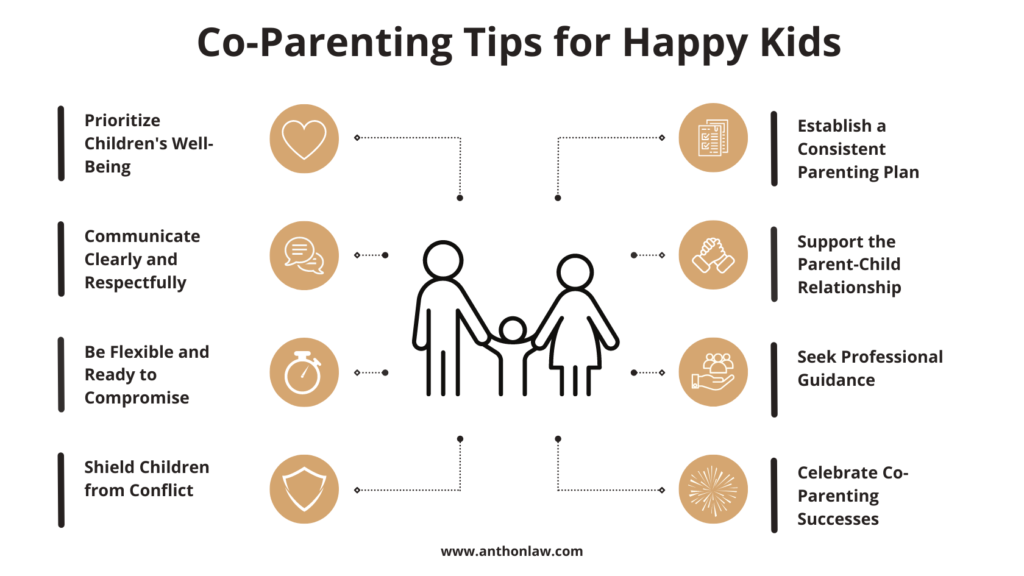
If divorce feels overwhelming, there are better options than silent endurance:
- ✅ Couples therapy with clear goals
- ✅ Trial separation with structure
- ✅ Individual healing work
- ✅ Honest, age-appropriate communication with kids
- ✅ Choosing peace over appearances
Kids don’t need perfection.
They need authenticity and repair.
Conclusion: The Bravest Choice Isn’t Staying—It’s Choosing Health
Let’s be honest.
Staying in an unhappy marriage isn’t strength.
It’s fear dressed up as sacrifice.
Children don’t need martyrs.
They need emotionally available adults who model boundaries, courage, and self-respect.
If there’s one takeaway from this entire article, let it be this:
Why staying for the kids backfires in the long run is because children don’t thrive in pretend peace—they thrive in real emotional safety.
Sometimes, the most loving thing you can do…
is stop pretending everything’s fine.
Call to Action (CTA)
👉 Share this article with a parent who feels trapped by guilt
👉 Read more family truth pieces on emotional health
👉 Next Page: Healing After Divorce—What Kids Actually Need
Your courage today might be the peace your children feel tomorrow.